Enkutatash
Ethiopian New Year
Meskerem 1 · ~ 11 September
Nationwide
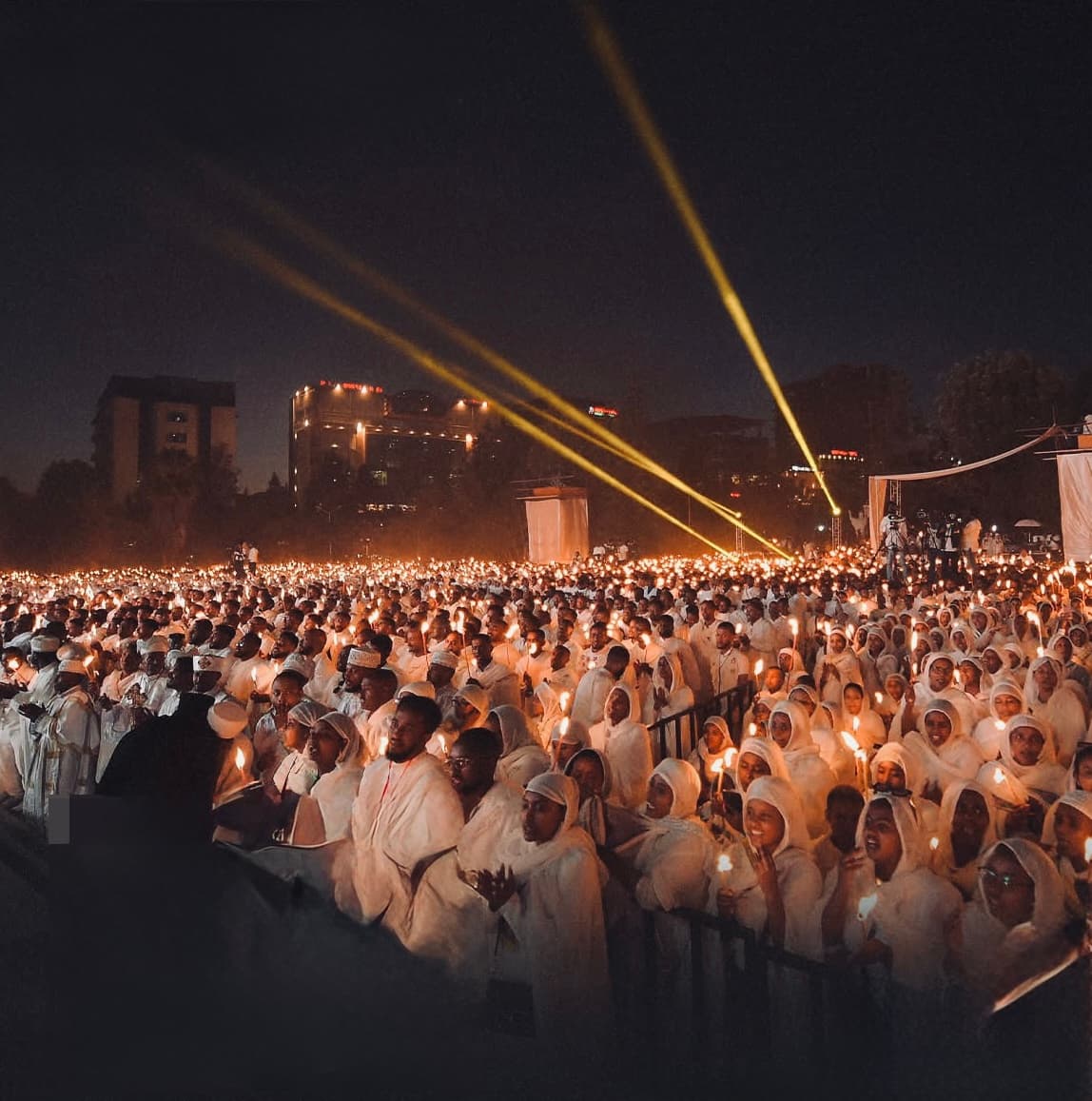
The Ethiopian calendar registers the New Year on Meskerem (September); first, as a commemoration of the receding of the great storm during the time of Noah, and secondly as a remembrance of Kidus Yohannes (St John the Baptist). Hence, the Ethiopian New Year is also known as Kidus Yohannes, in memory of the saint and his sacrifice. All these symbolize the transition from the Old Testament to the New Testament.
The Ethiopian New Year also honours the seasonal transition from the heavy rainy season to the bright one. The safe transition from the rainy season to the breathtaking bright Meskerem is symbolic of the passage from an awe-inspiring night into a beautiful morning. Thus, believers celebrate it with first Enkutatash and then Meskel holidays.
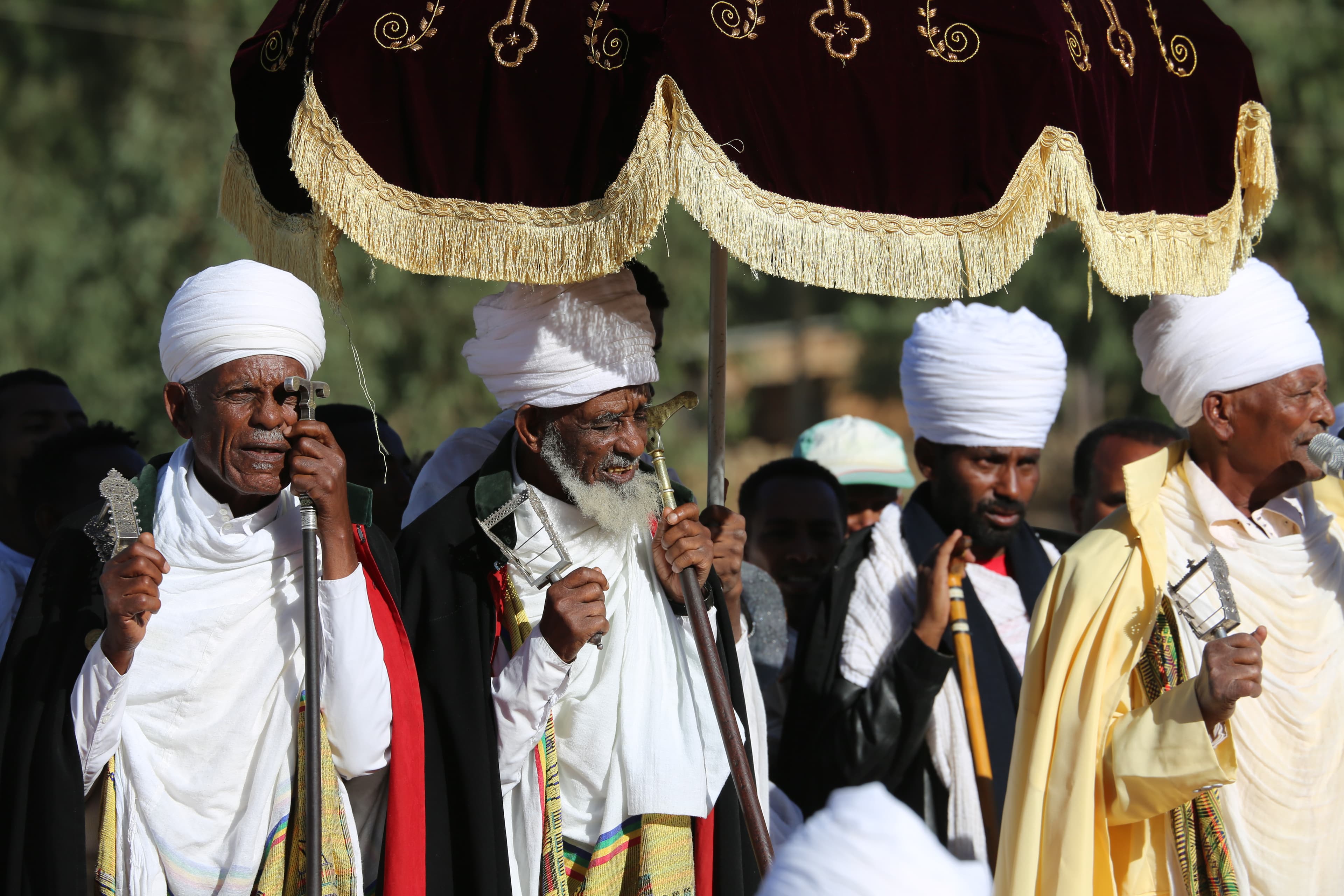
The prior season is grey and dull, and is awe-inspiring and often frightening, with lightning and thunder accompanied by powerful rains for a lengthy period. Traditionally, it was believed that death was at hand during this season, and so insecurity and fear ran rampant. The clergymen sing about the dawning of Meskerem because they consider the preceding rainy season a season of darkness.
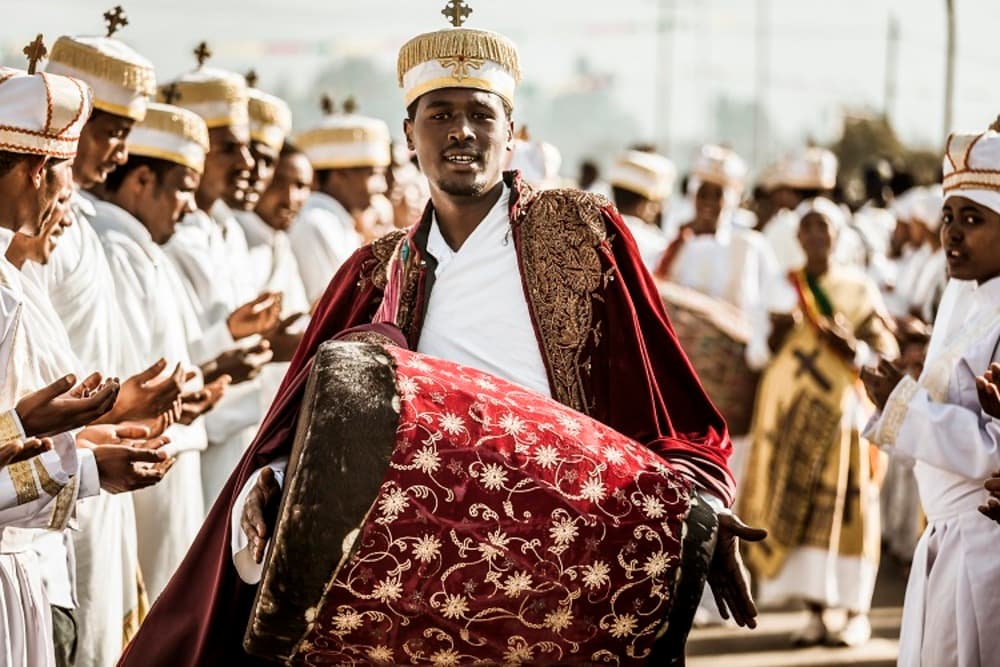
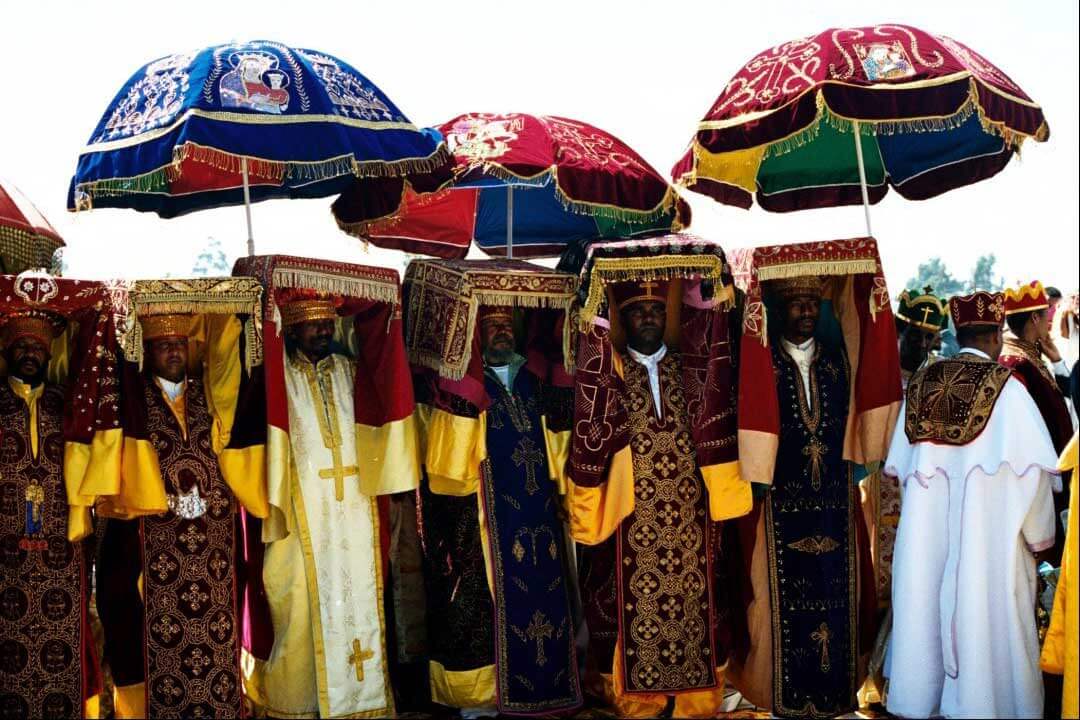
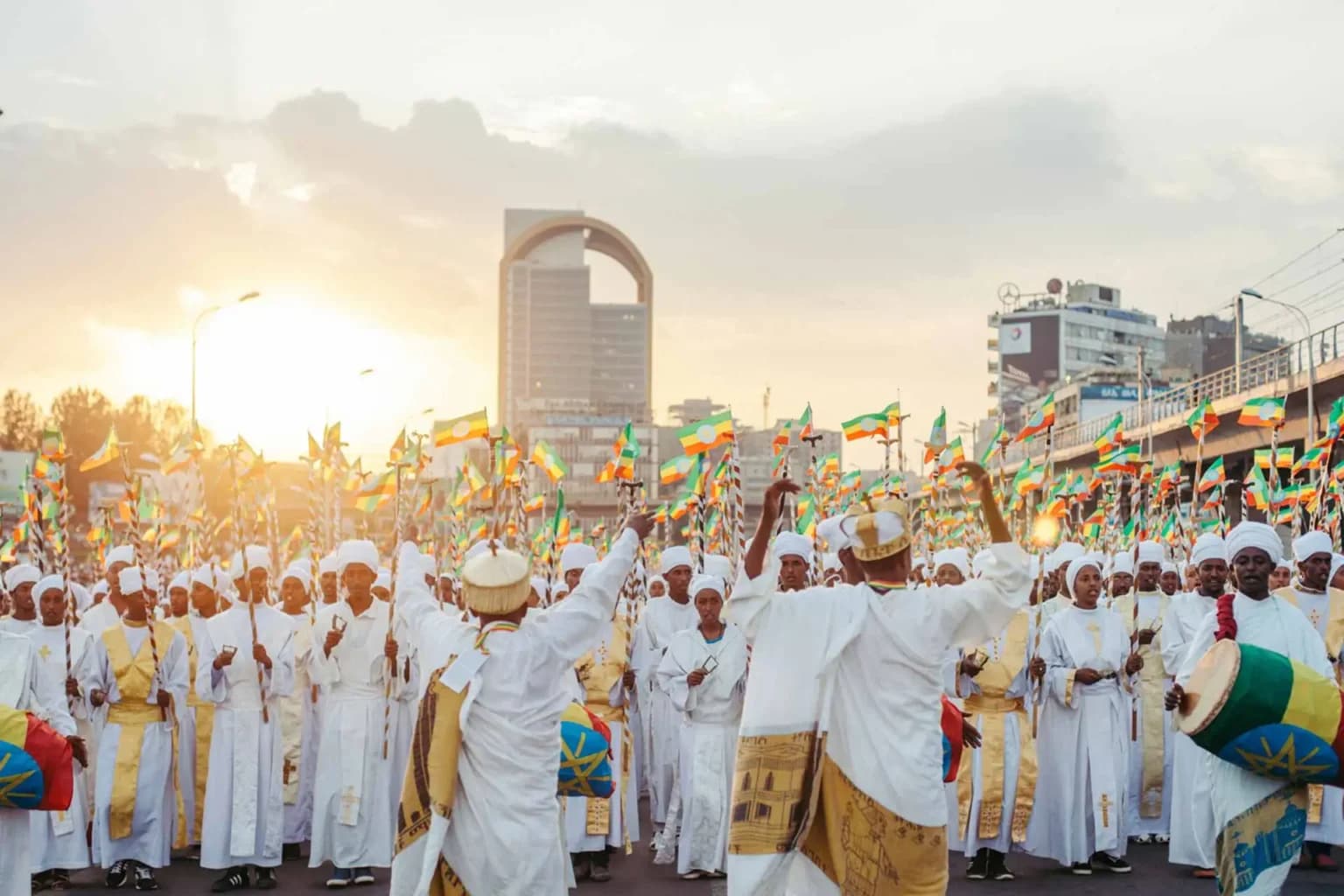
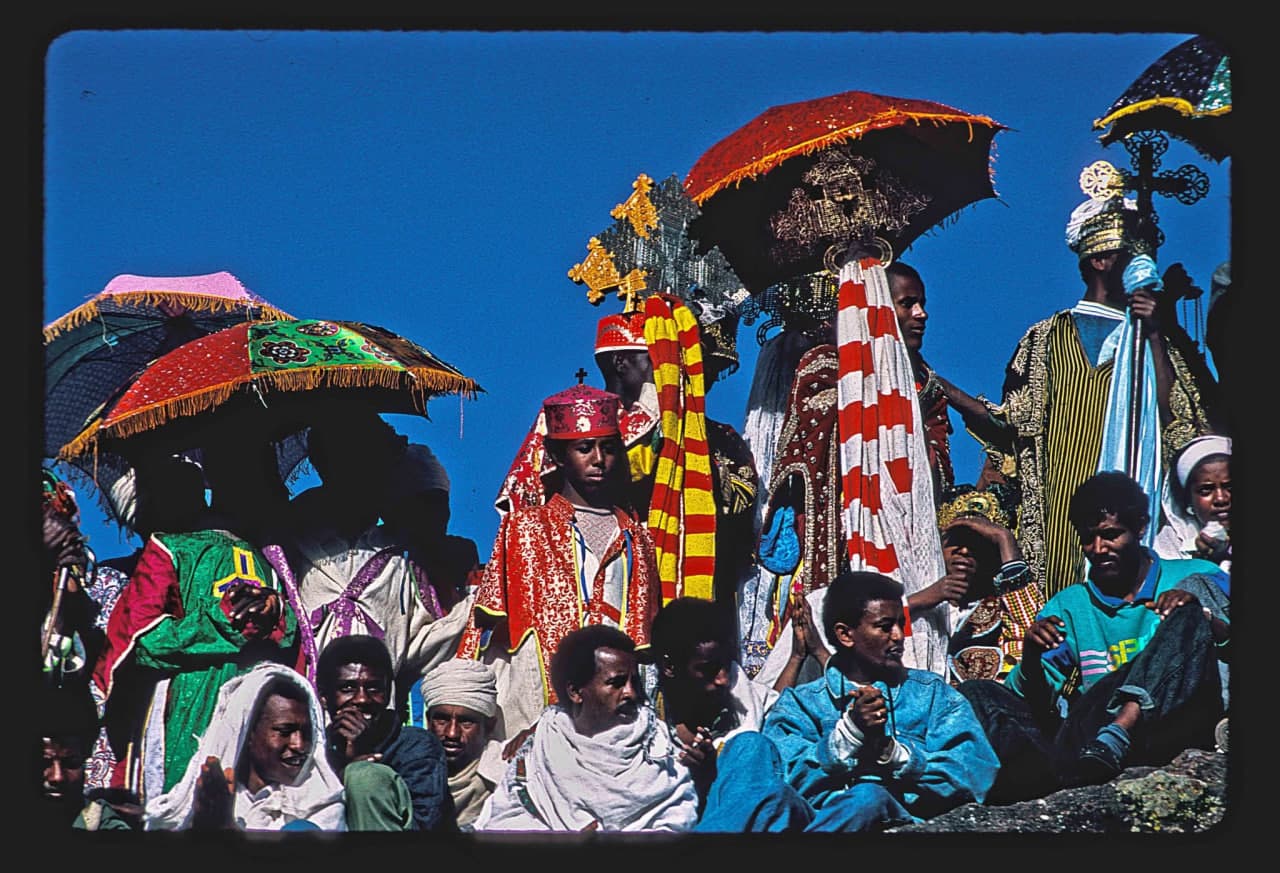
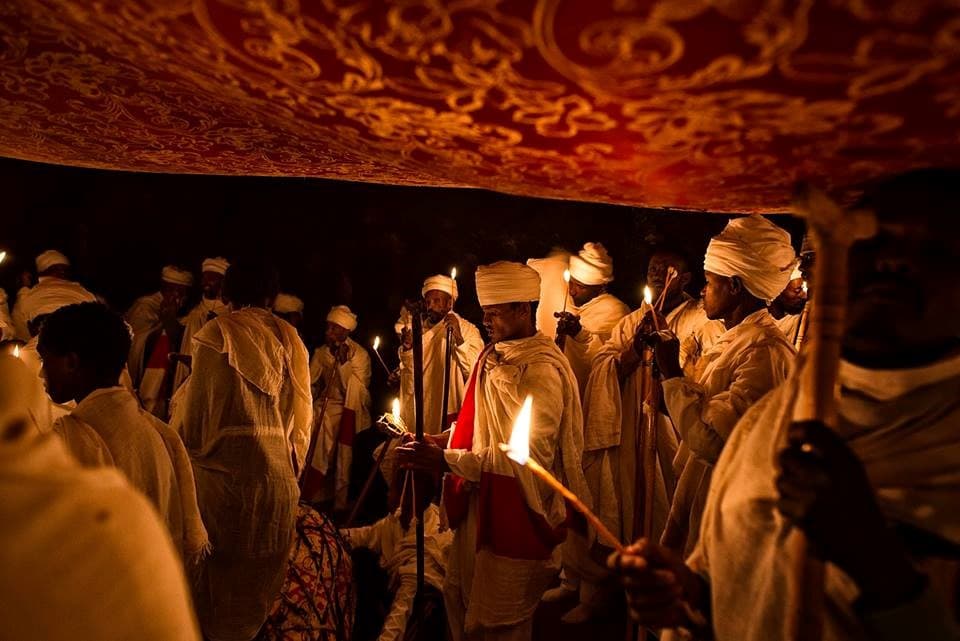
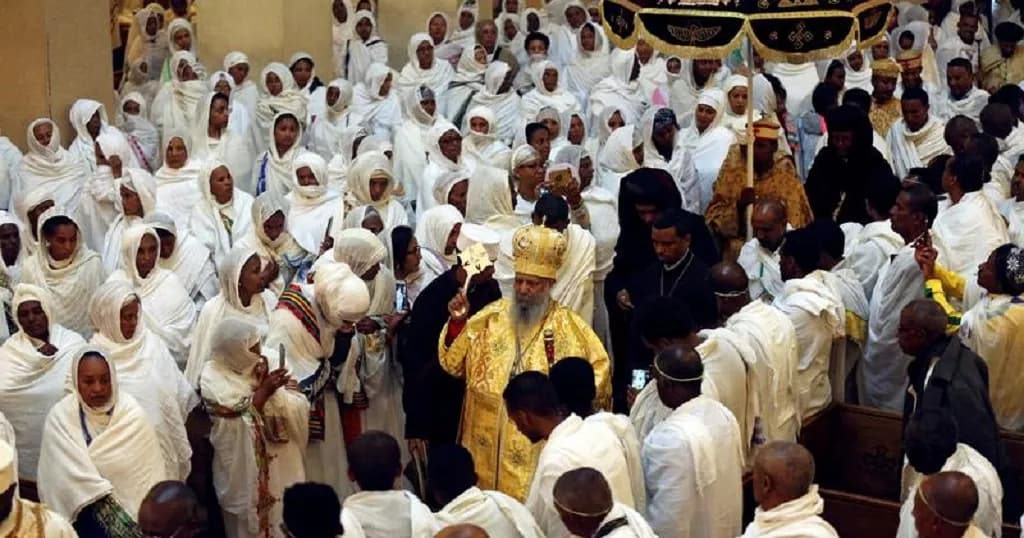
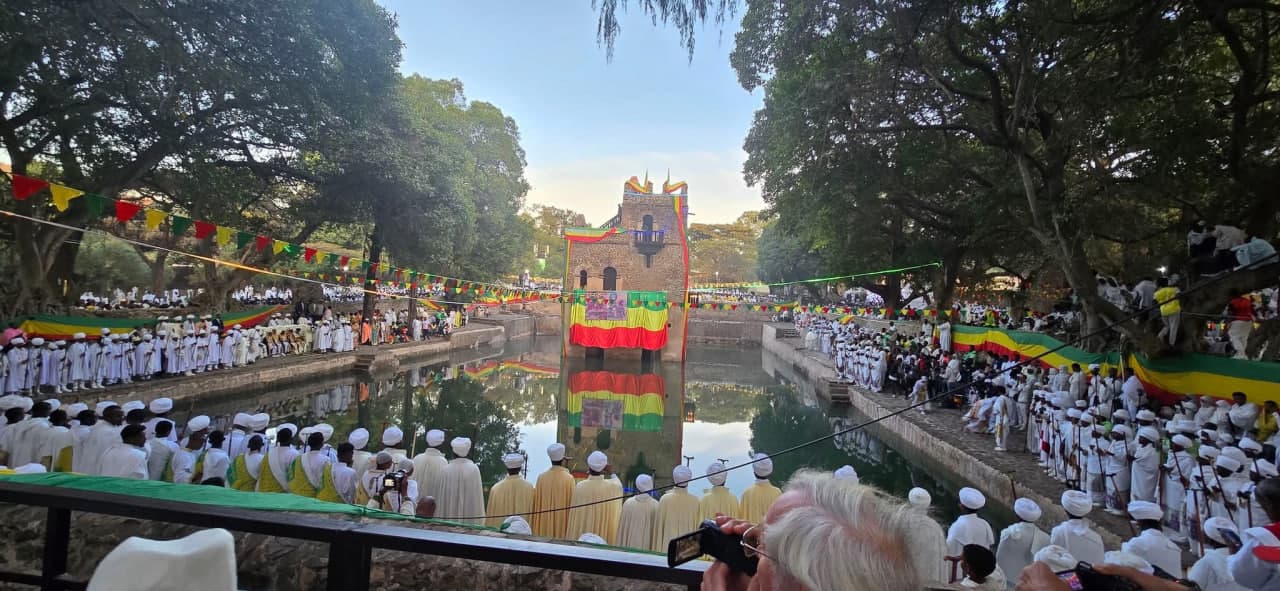
Within the Ethiopian Orthodox Tewahedo Church, many religious services accompany Enkutatash. Liturgical services such as the chanting, preaching, and the explanation of the New Year calendar are performed after the Mass when it is conducted in the morning, and before the Mass when the Mass is conducted in the afternoon.
After the chanting and preaching, the high priest or the Aleka (head) of each church reads the calendar of the Ethiopian Orthodox Church, which is called Bahre Hassab. This indicates the times of the festivals, and the beginning and end of the fasting days during that year. The same priest then declares the replacement of the old year by the new.
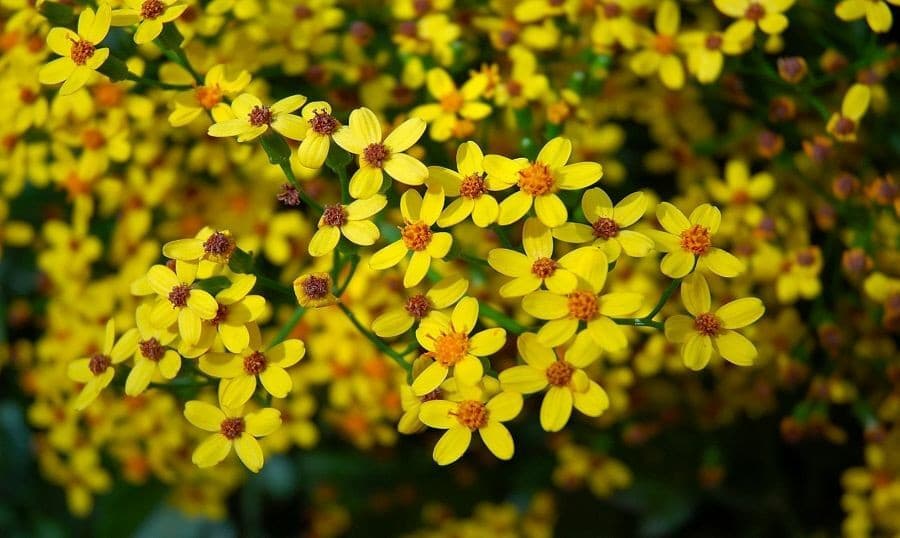
Both Enkutatash and Meskel fall during the mass blooming of golden yellow Meskel daisies known as adey ababa. At the celebrations of Enkutatash and Meskel, children can be heard singing traditional seasonal songs: “Eyoha abebaye / Meskerem tebaye / Meskerem siteba adey sifeneda / Enkuan sew zemedu yieteykal bada…” — roughly translated as “the bright season of September with the fields decorated with blooming flowers encourage people to visit not only kinsmen but friends….”
These words announce the coming of the bright Ethiopian month with its colourful flowers. The song also encourages everybody to pay a visit to relatives, because the now-receding rivers make it easier for people to travel from place to place. The best time of visiting Ethiopia is impeccably this time of the year. Etymologists relate Enkutatash to the visit of the Queen of Sheba to King Solomon of Israel. This New Year celebration as a national holiday is celebrated both by Muslims and Christians.
Bright Meskerem after the rains is widely considered one of the most beautiful windows to begin highland travel.
Explore further
Plan around Enkutatash