Travel Tips for Ethiopia

About Ethiopia

Ethiopia is one of the oldest nations in the world, with a rich history dating back thousands of years. Known for its unique culture, ancient churches, and the beginnings of civilization, it's a destination that offers deep historical and spiritual insights.

The Capital Addis Ababa

The Capital Addis Ababa

Addis Ababa, the capital city, is a vibrant hub known for its museums, art, and culture. It's also the headquarters of the African Union, symbolizing Ethiopia's influence in African politics and diplomacy.

Population

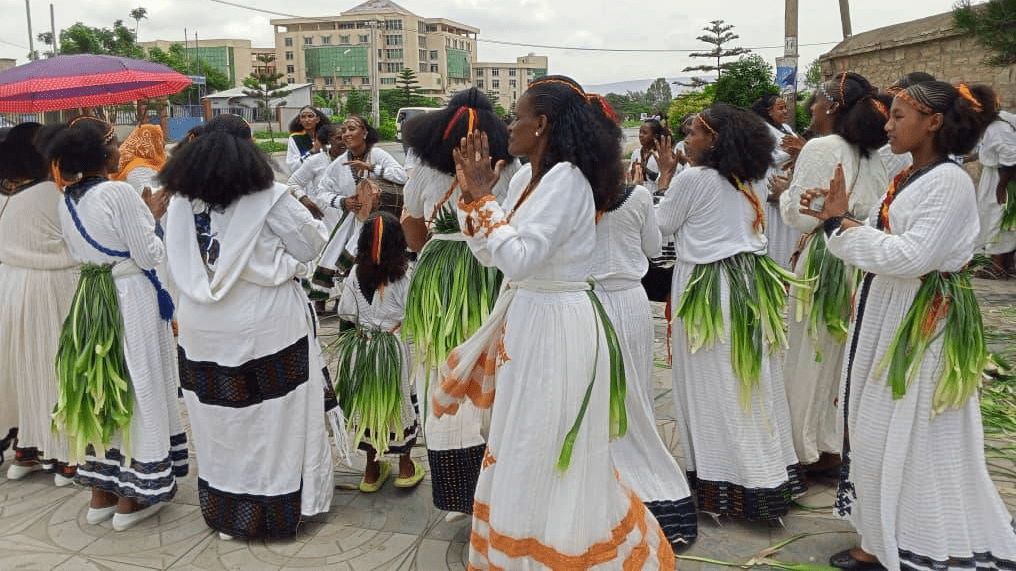
Ethiopia has a diverse population of over 120 million people, belonging to various ethnic groups. Understanding local customs and traditions is essential for respectful interactions.

Language

The official language is Amharic, but there are over 80 languages spoken across the country. English is widely understood in urban areas and among younger generations, which can be helpful for travelers.

The Second Oldest Christian Country

Ethiopia is recognized as the second oldest Christian country, with Christianity being practiced since the 4th century. This deep-rooted religious heritage is evident in the numerous ancient churches, including those carved from rock in Lalibela.

Religion

Ethiopia has a rich religious tapestry, with Christianity, Islam, and traditional beliefs coexisting. Respect local customs, especially during religious festivals and practices.

Climate

Ethiopia’s climate is diverse, with a mix of highlands and lowlands. The highlands typically have a temperate climate, while the lowlands can be hot and arid. The best time to visit is from October to March, during the dry season.

Clothing

Dress modestly, especially in rural areas. Light, breathable fabrics are ideal for the warm climate. In religious sites, women should cover their shoulders and knees, while men should wear long pants.

Calendar and Time Zone

Ethiopia follows the Ethiopian calendar, which is approximately seven to eight years behind the Gregorian calendar. Time is categorized in a 12-hour system. Be mindful of the differences when scheduling your travels.

Most Popular Sites

  • Lalibela: Known for its rock-hewn churches.
  •  Omo Valley: Renowned for its rich cultural diversity and indigenous tribes, providing a fascinating glimpse into traditional lifestyles.
  • Danakil Depression: One of the hottest places on Earth, noted for its surreal landscapes, vibrant sulfur springs, and lava lakes, making it a must-visit for adventurous travelers.
  •  Gheralta Rock Churches: Famous for their stunning cliffside locations and ancient frescoes, these churches offer breathtaking views and a unique spiritual experience.
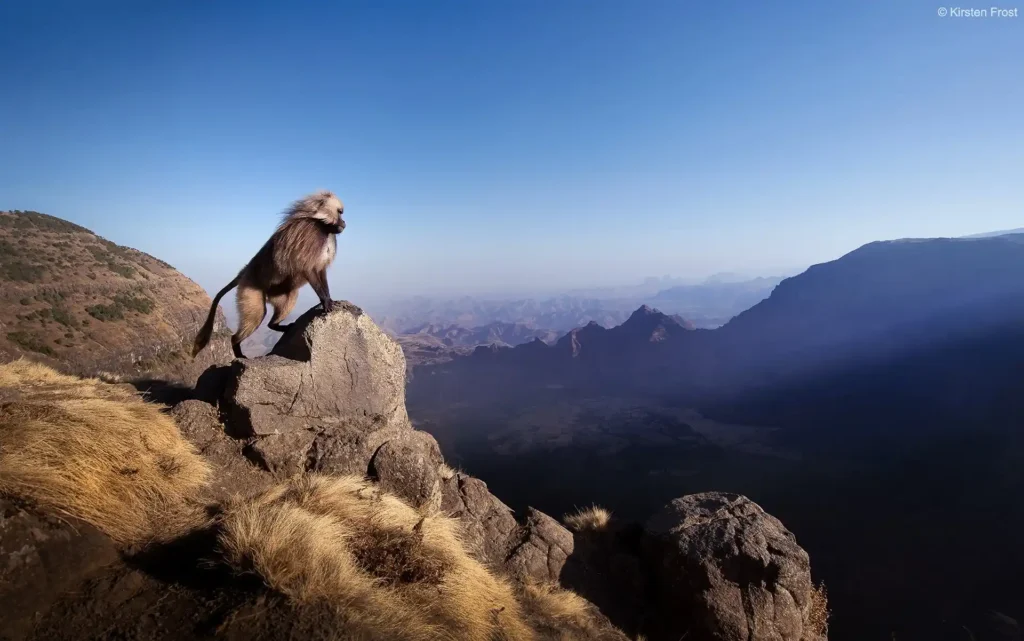
  • Bale Mountains: Offering stunning hikes and exotic wildlife.

Airports

Addis Ababa Bole International Airport (ADD) is the main international gateway. Ensure that you check flight times and availability, as well as book domestic flights in advance for popular tourist regions

Currency

The currency used is the Ethiopian Birr (ETB). It’s advisable to exchange some money upon arrival, as credit cards are not widely accepted outside major cities.

Food and Drink

Ethiopian cuisine is famous for its flavorful spices and communal dining. Don't miss trying injera (a sourdough flatbread) served with various stews. Traditional coffee ceremonies are also an integral part of Ethiopian culture.

Photography

Always ask for permission before taking photos of people. Scenic landscapes, cultural activities, and historical sites provide ample opportunities for stunning photography.

Tipping

Tipping is customary in Ethiopia. A tip of 10% in restaurants is appreciated, while small amounts for guides and drivers are also thoughtful.

Tourist Visa

Ensure you have the appropriate visa for entry. Many nationalities can obtain an e-visa online, while others might need to apply in advance. Check the current visa regulations to avoid any hassles.

Apply For Tourist Visa 

Login